The Resources
Water, Forest
& The Harvest
Water sustains the land. Stewardship builds the forest, while a rare microclimate at ~3,100' turns the same acreage into a five-month progression of growth and harvest.
Together, they form an interconnected resource system—abundant, established and productive within a single Pacific Northwest mountain estate.
The estate’s resource story begins with water.
The Resources
The Water — Abundant & Pristine
75 GPM Well · Multiple Artesian Springs · Multiple Seasonal Creeks · Lab Tested
The Water
Pristine Water.
Held by the Land.
The estate’s water profile begins below ground with a high-output well producing 75 gallons per minute, 5× to 10× conventional residential well output rates. Commercial laboratory testing found no contaminants. Agricultural-scale capacity is rare among permitted wells in the area and supports, in addition to residential use, irrigation and livestock watering (subject to system design).
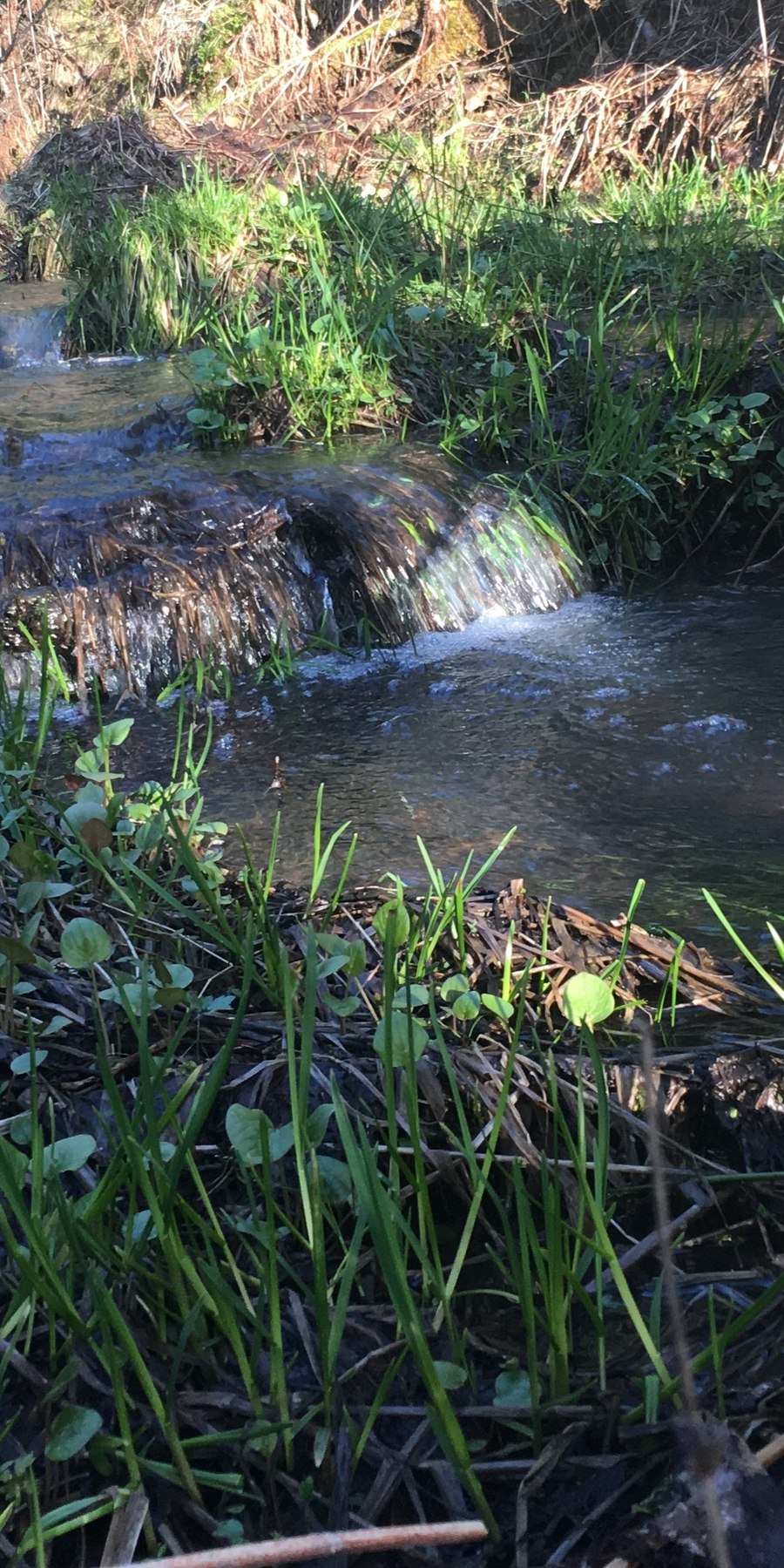
Beyond the well, multiple artesian springs bring groundwater naturally to the surface, while multiple seasonal creeks follow separate drainage corridors across the acreage.
On the lower 80 acres, a natural watering hole historically served livestock and wildlife. A state biologist visiting the property suggested the site could support development into a ¼-acre (~2 Olympic-sized swimming pools) to ½-acre (~½ of a football field) pond, subject to site investigation. Note: adjacent acreage has a ¼-acre pond developed by its owner.
Seasonal Creek · Lower 80
Artesian Spring · Lower 80
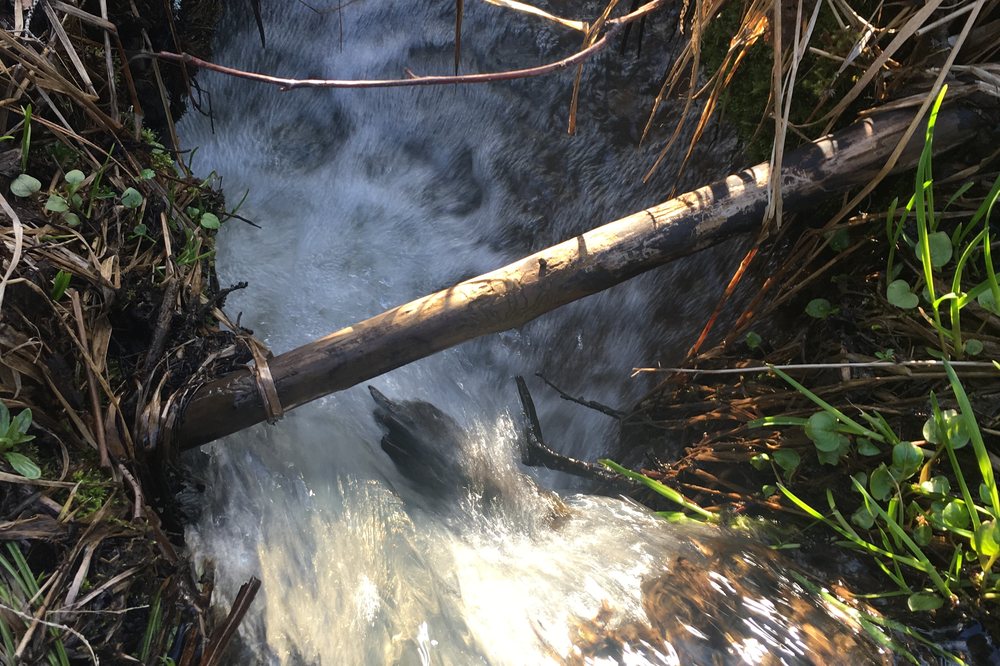
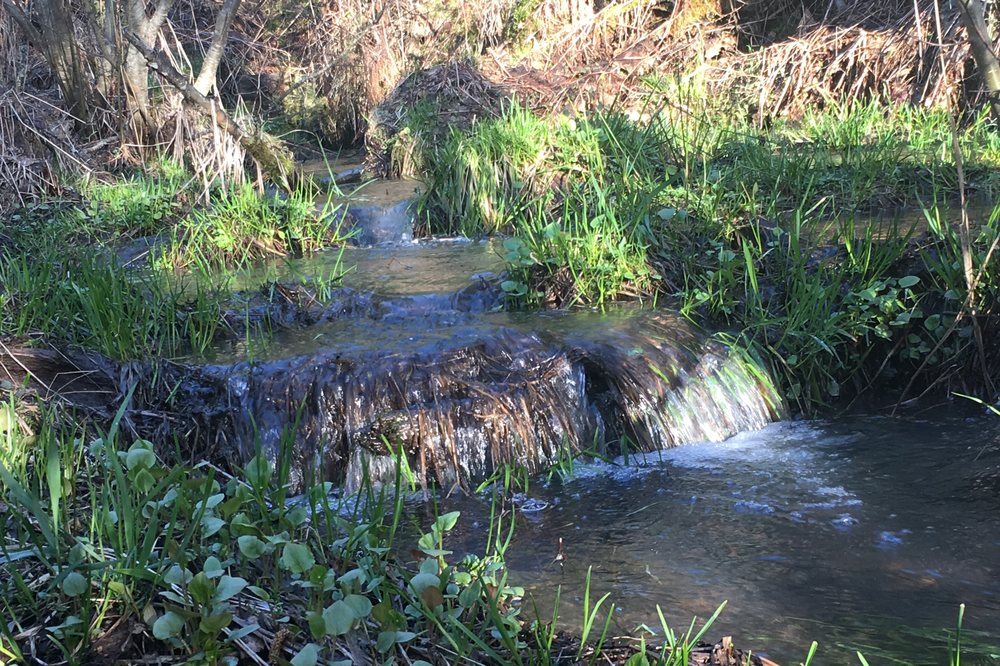
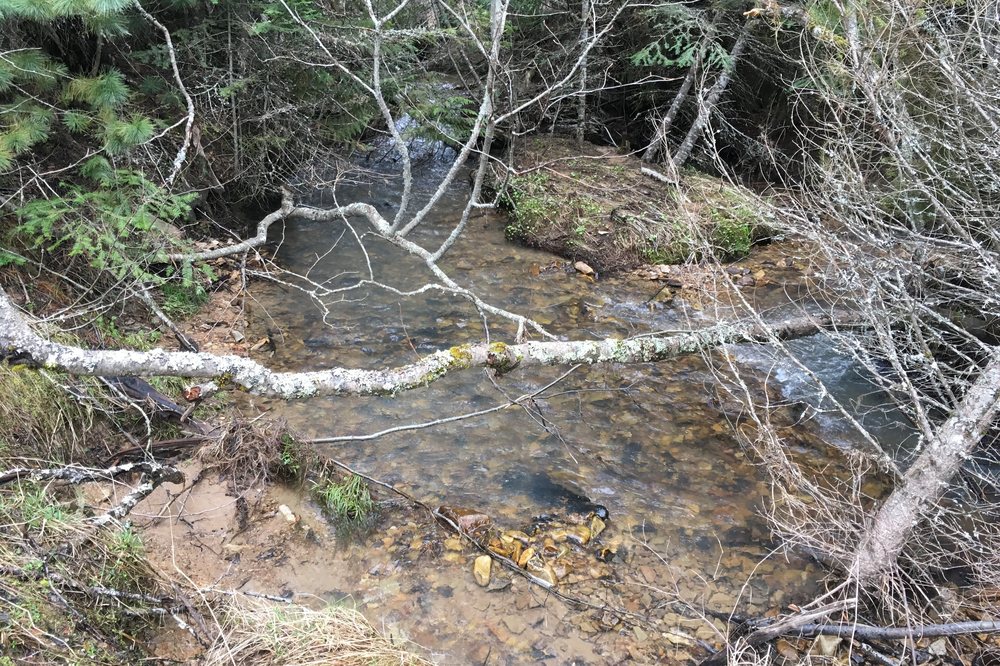
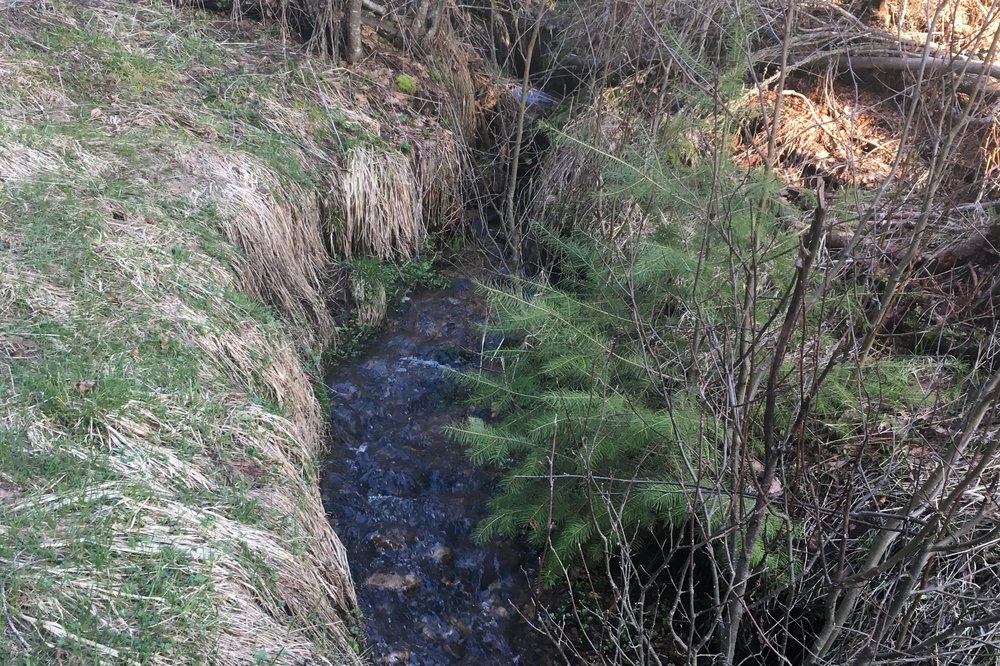
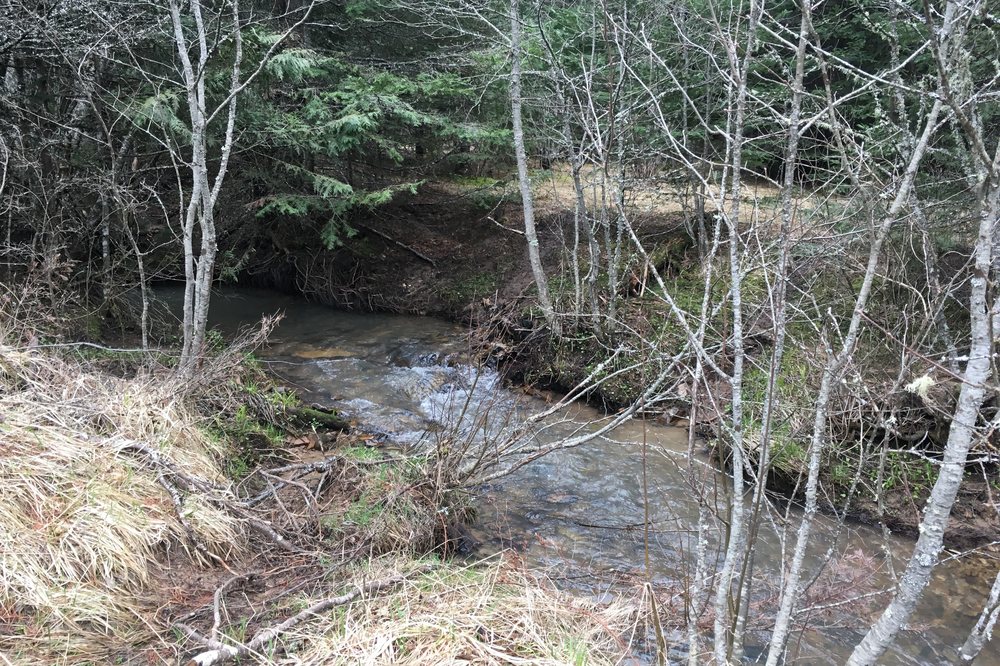
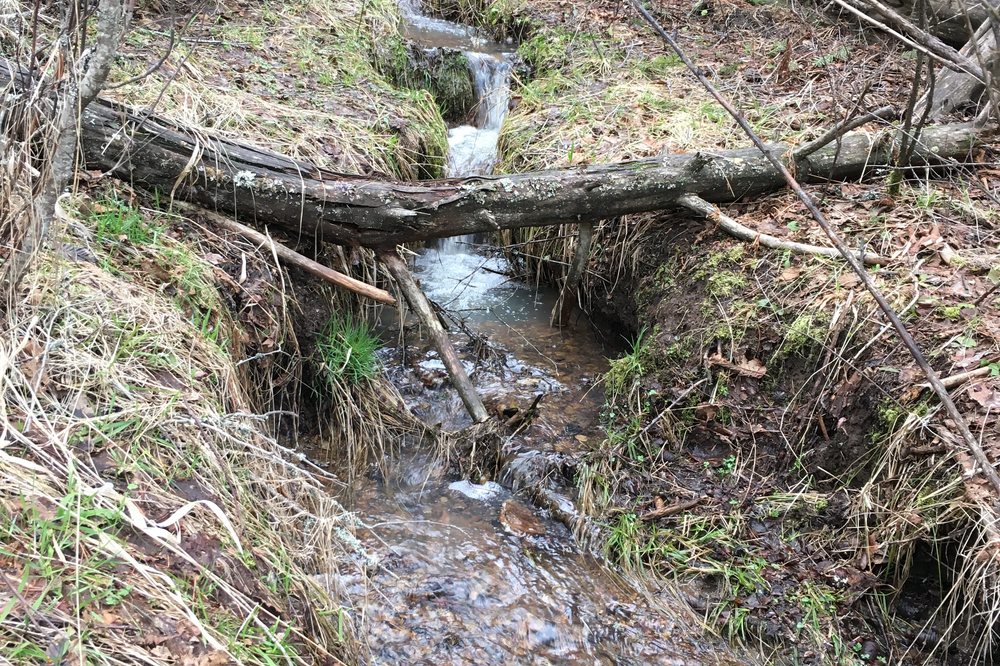
Multiple Seasonal Creeks · Lower 80 Acres
A Natural Watering Area
Water Beyond
The Residence.
On the lower acreage, water collects naturally in an area historically used by livestock and wildlife. It adds another dimension to the estate’s water profile—one expressed directly through habitat, working-land use and possible future pond development.
Where water gathers, habitat follows.
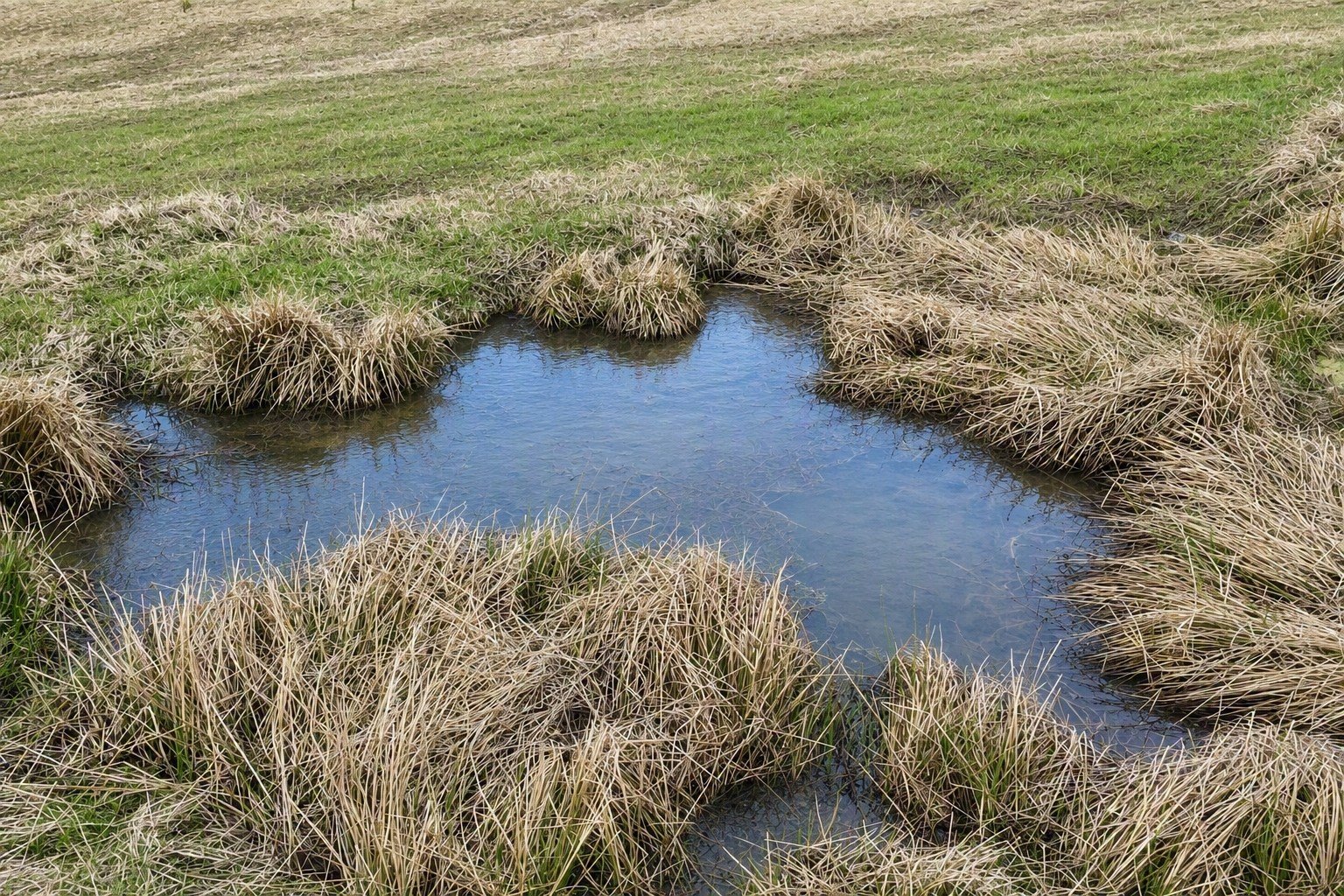
Natural Watering Area · Lower 80 Acres
The Resources
Timber & Stewardship — Planted for Generations
20,000 Trees · Five Planting Cycles · Since 2011
Timber & Stewardship
A Forest
Being Built.
Trees Planted Since 2016
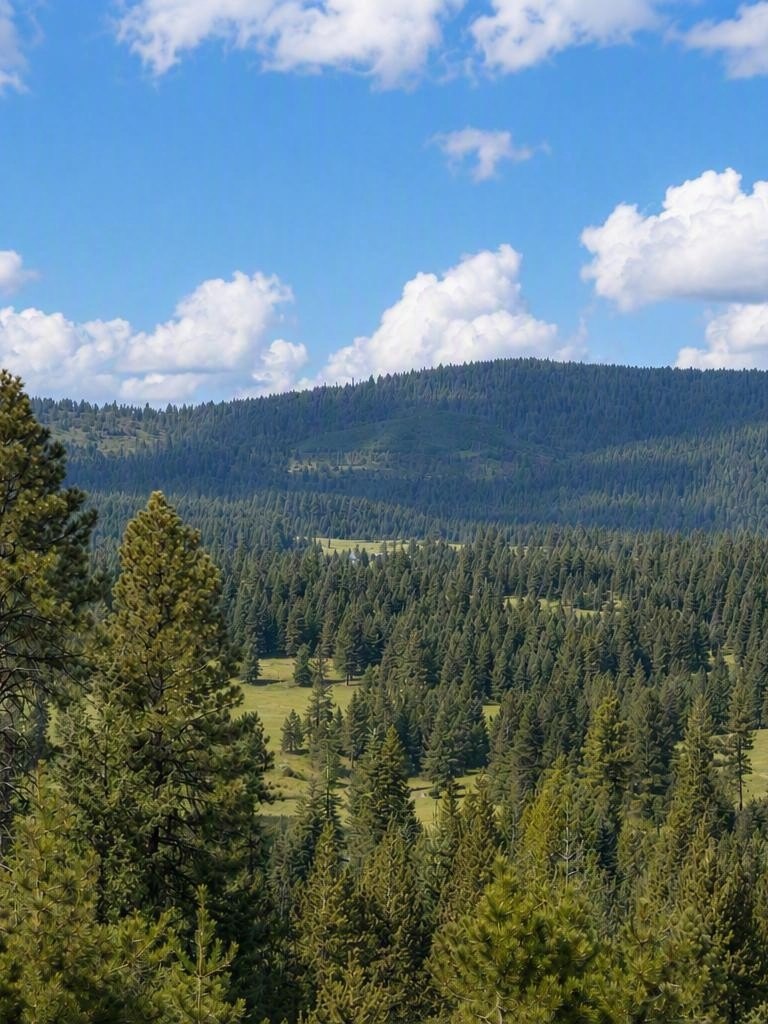
Since 2016, ~20,000 trees have been planted across five planting cycles—an undertaking measured not merely in seasons, but in generations. Young trees protected by seedling sleeves now stand alongside more established plantings, making the progression of the stewardship program visible across the estate.
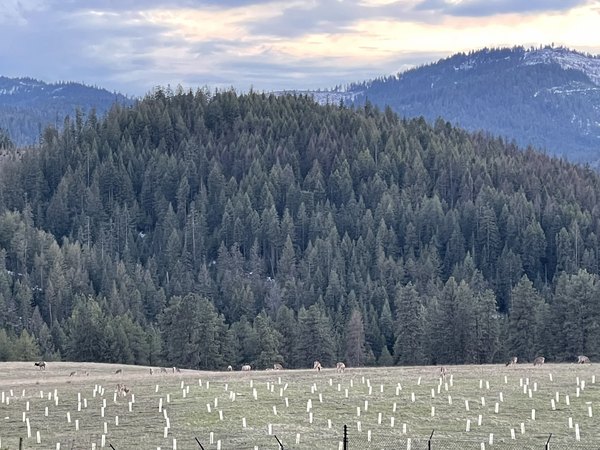
Saplings · Upper 40 Meadow
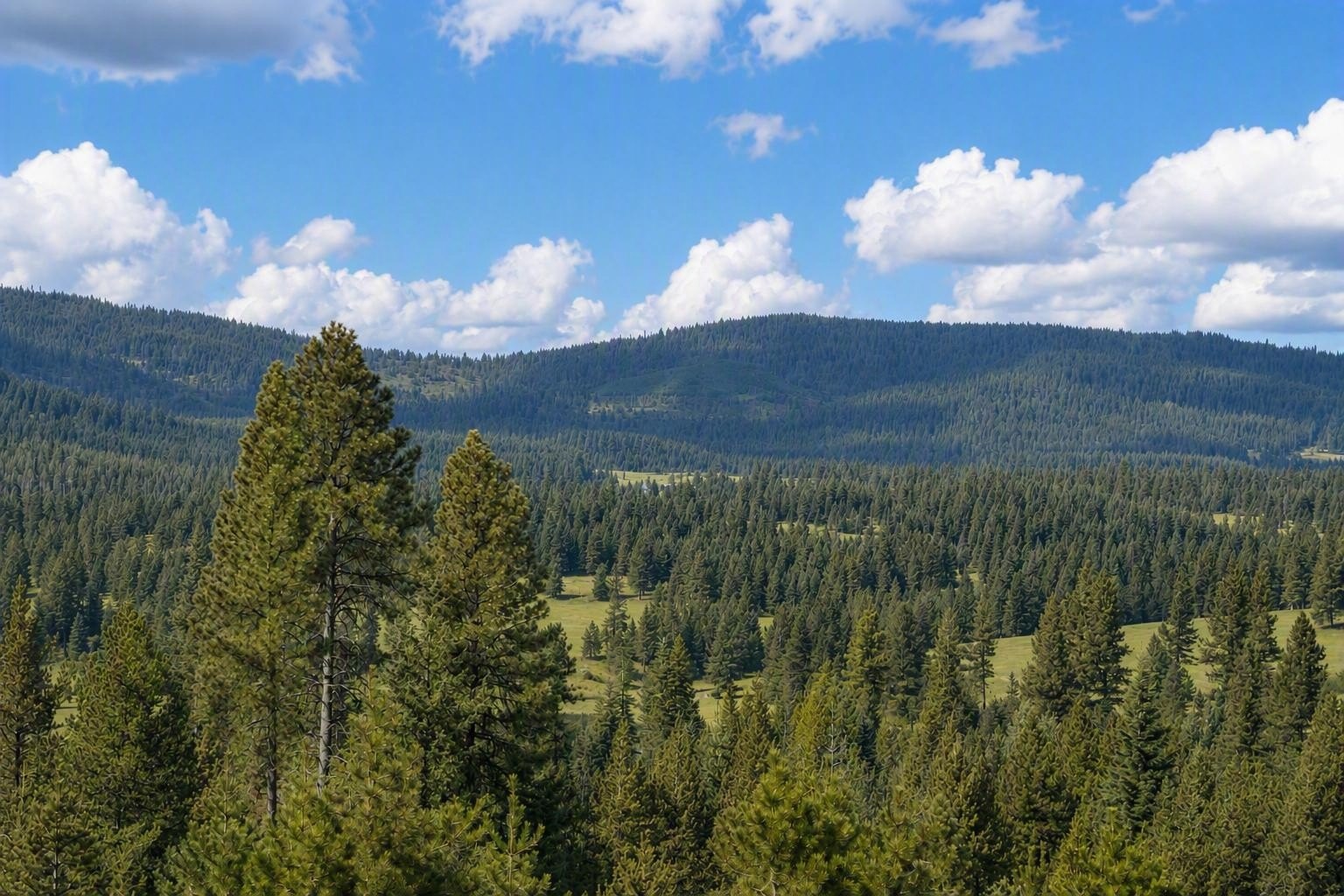
The planting strengthens the land in several ways at once: increasing canopy, deepening privacy, expanding shelter and wildlife habitat, and establishing a maturing forest the next owner inherits already well underway.
Successive Planting Cycles
Five planting cycles since 2016 have created multiple stages of establishment rather than a single-age forest. Seedling sleeves visible across the meadow protect younger trees as they take root.
Increasing Canopy & Habitat
As the trees mature, they increase canopy coverage, deepen privacy and strengthen shelter and habitat across the acreage.
A Generational Asset
The next owner inherits years of accumulated growth and a forest whose ecological, visual and privacy benefits will continue developing over time.
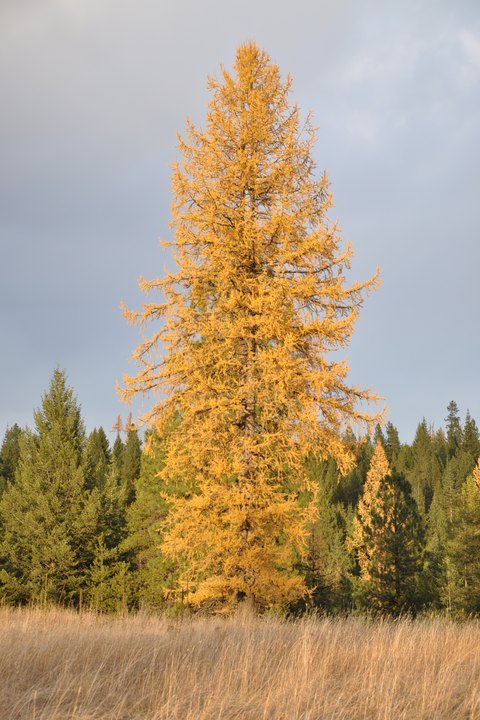
Western Larch · Lower 80 Acres
Western Larch adds a distinctive seasonal dimension, turning gold across the property in autumn. What began as deliberate planting is becoming an increasingly established part of the landscape.
The same relationship among water, shelter and stewardship supports more than forest. It also makes this ~3,100', 120-acre estate even more productive than its rare microclimate alone suggests.
The Resources
The Harvest — Rare Microclimate & Proven Harvest
Plums · Apricots · Apples · Pears · Cherries · Berries · Grapes · Garden
The Harvest
A Rare Microclimate
Made Visible.
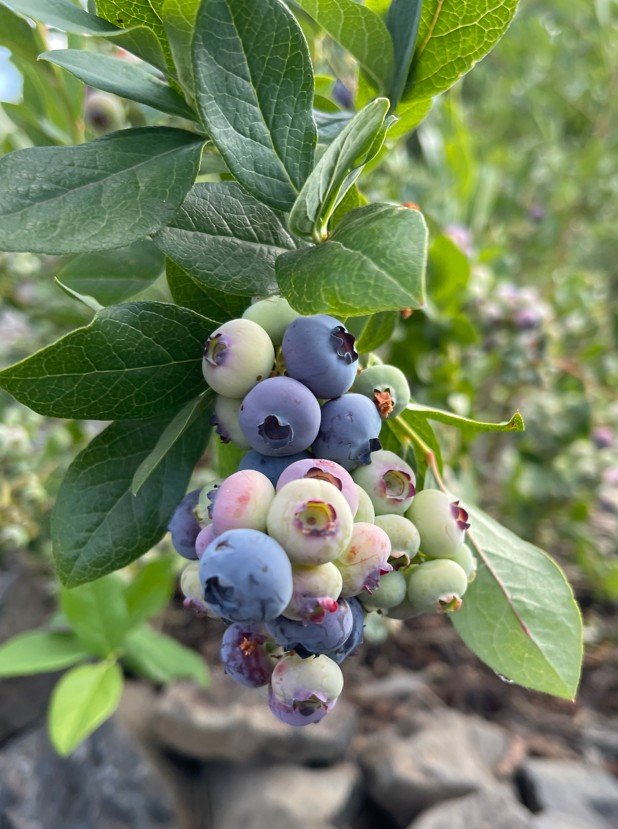
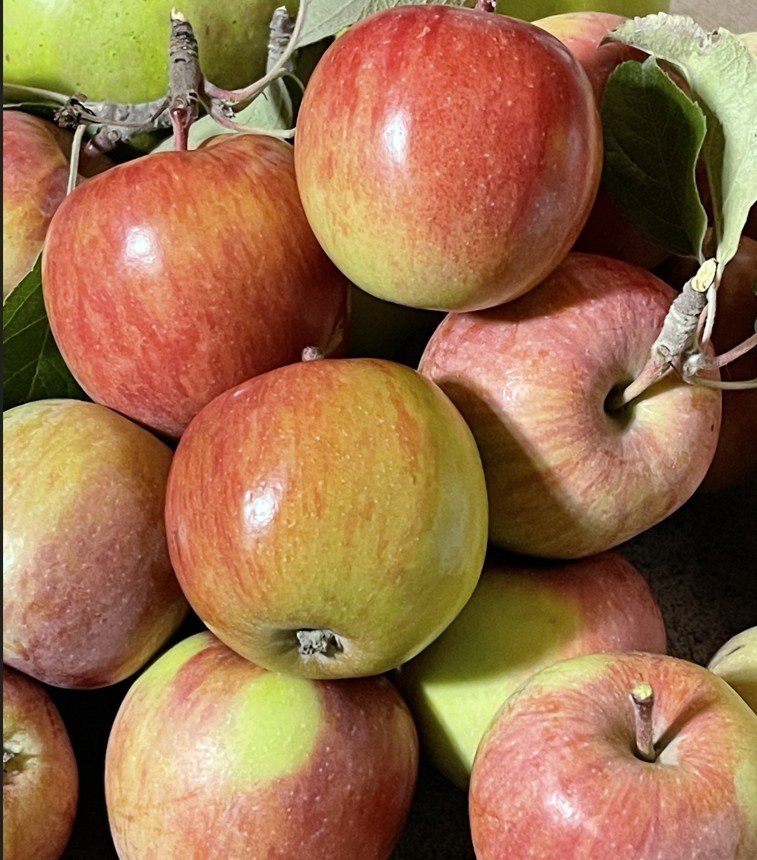
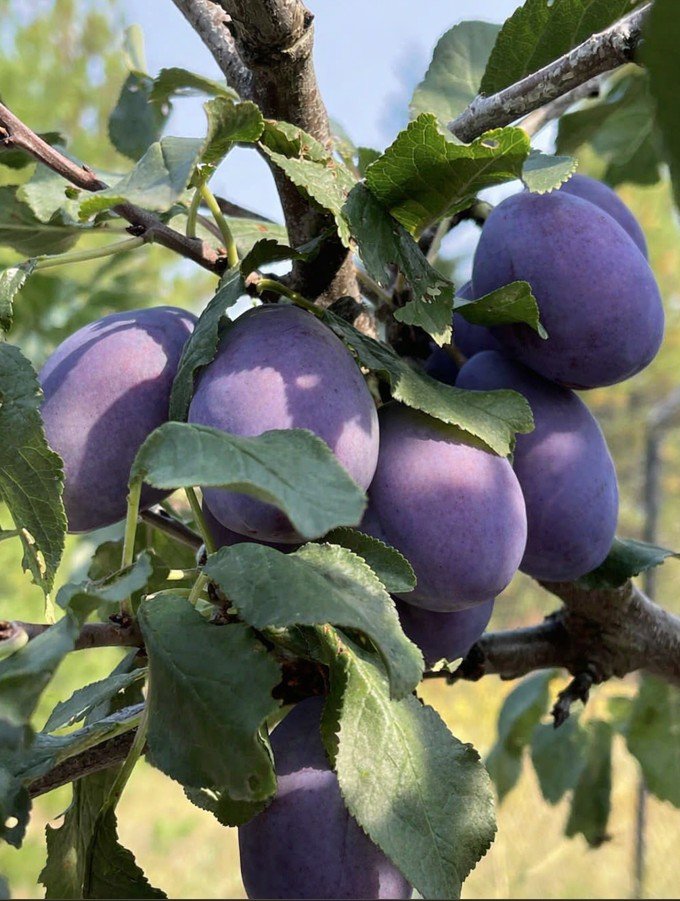
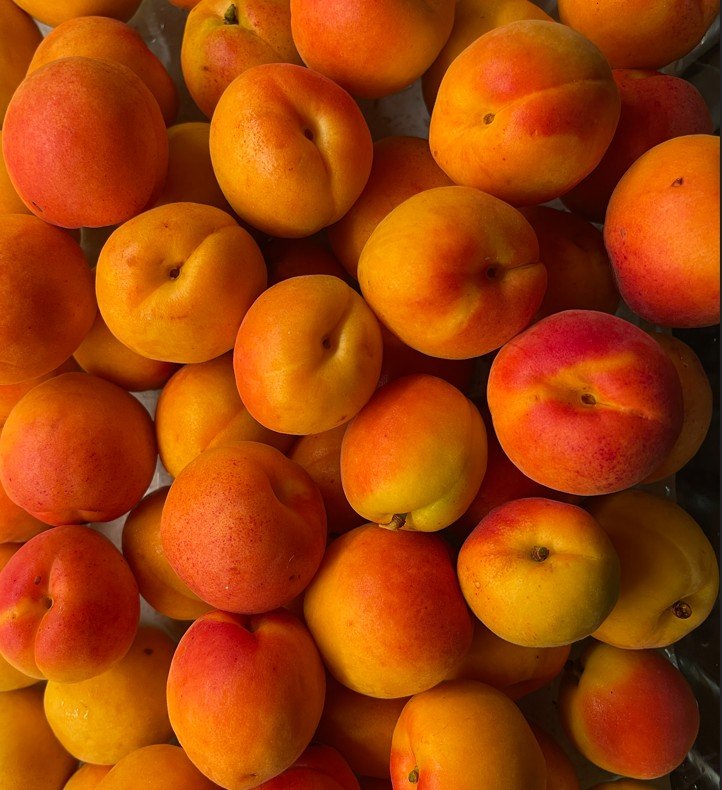
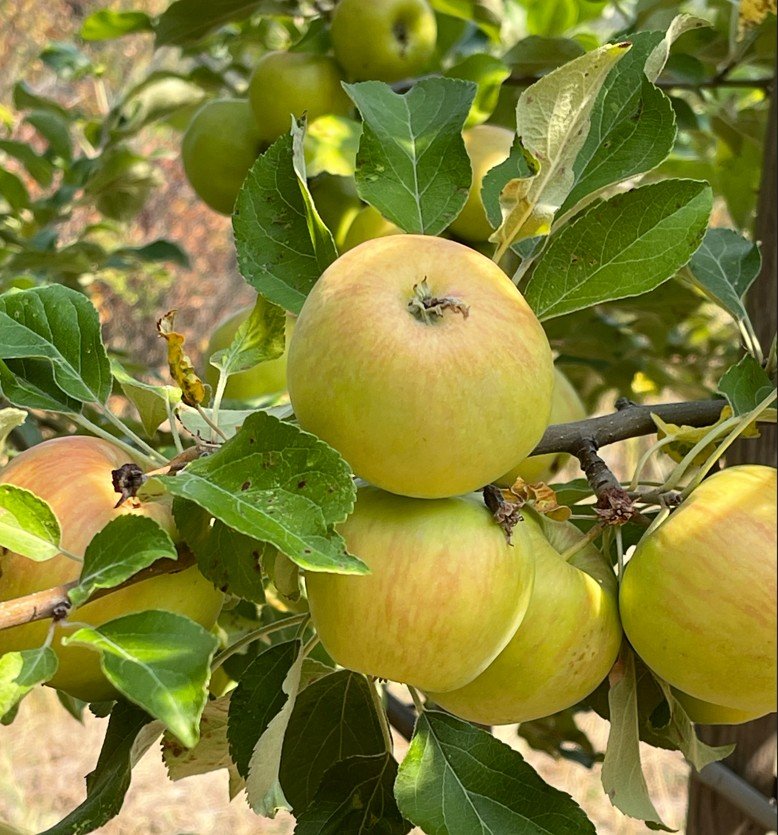
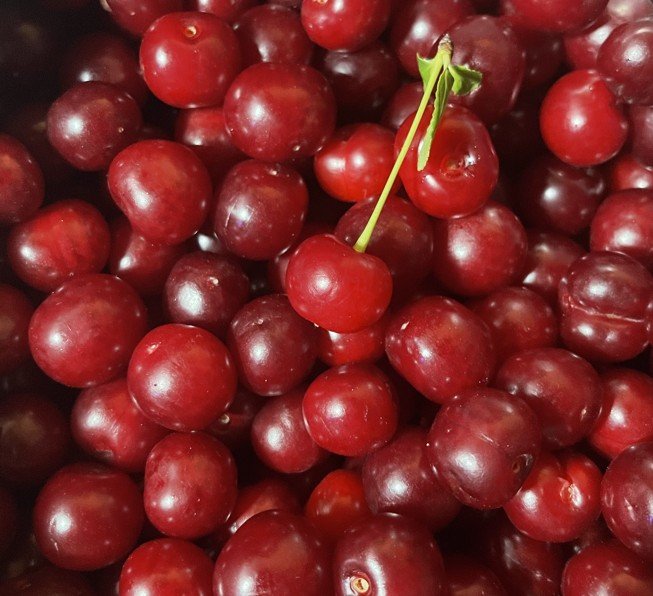
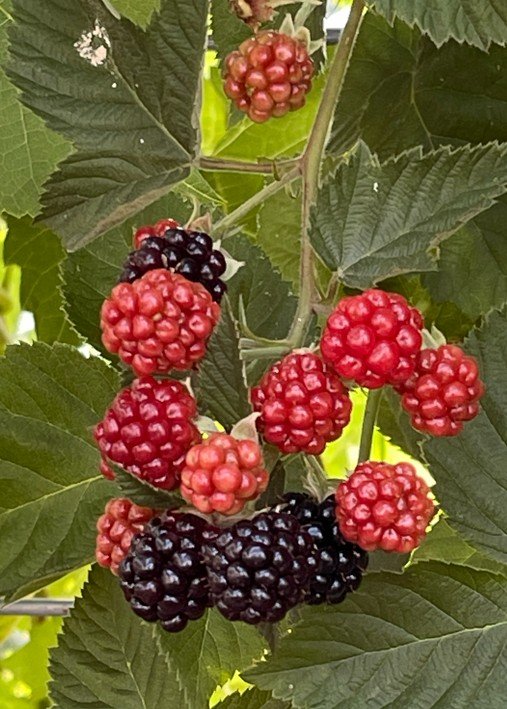
Numerous varieties. One working landscape.
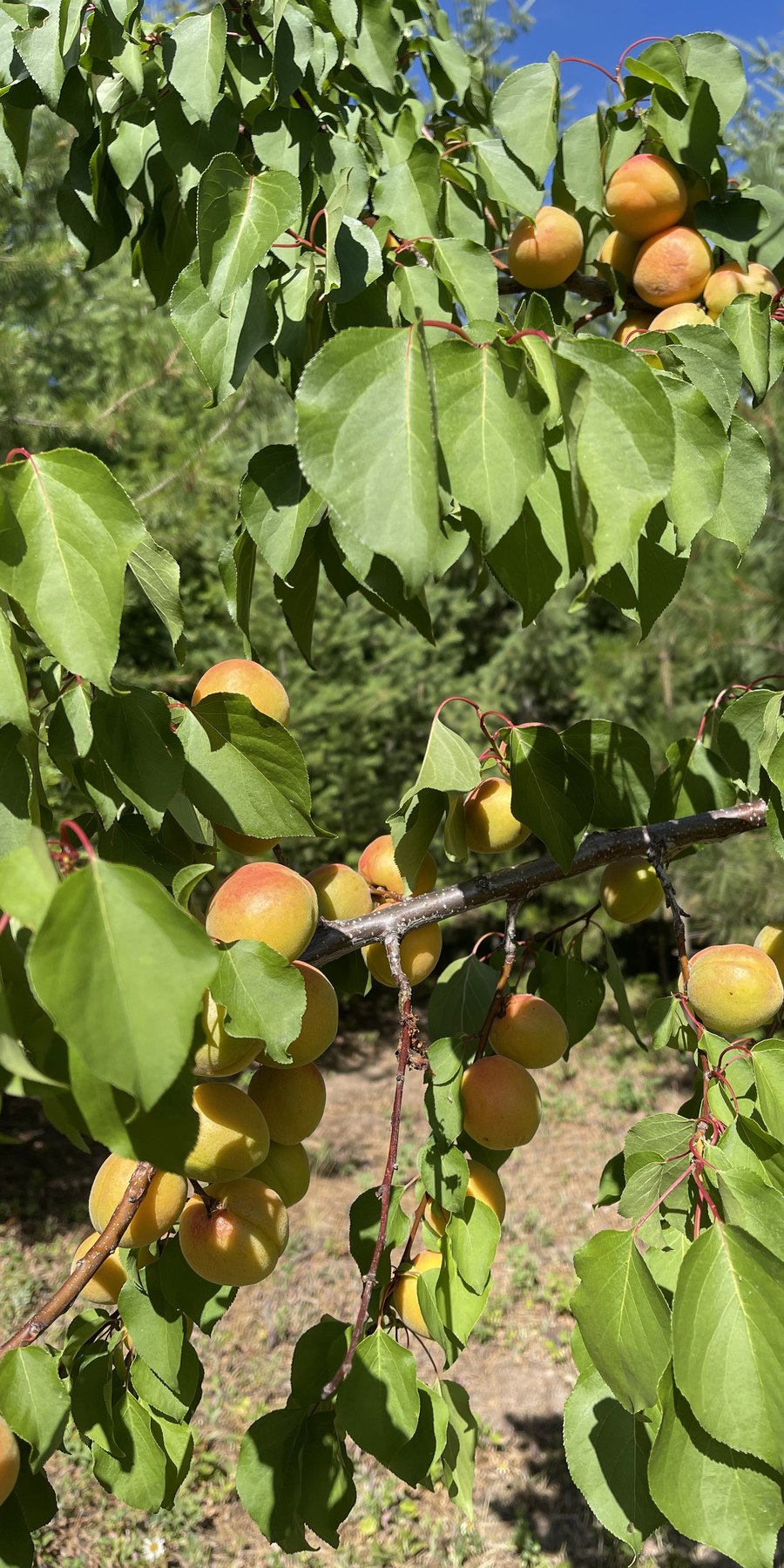
At ~3,100', the estate supports an unusually productive Pacific Northwest mountain microclimate. From May through September, its orchard, berry plantings, grapevines and garden create a five-month progression of growth and harvest.
The significance lies not simply in the number of varieties, but in what those varieties reveal. Apricots bloom early, leaving blossoms vulnerable to late mountain frost. Grapes require sufficient accumulated warmth to ripen before autumn temperatures fall. Cherries must withstand winter cold and carry fruit to maturity within a comparatively short growing season.
Thus, the question is not simply what grows, but what blooms, ripens and holds long enough to bear fruit. On this property, successful harvests demonstrate a rare convergence of elevation, sun exposure and air movement—a microclimate imperceptible on a map but unquestionably visible on the land.
The Plan Behind the Harvest
Professionally Evaluated.
Proven on the Land.
Before planting, the property’s soil, water, elevation, exposure and growing potential were evaluated on site by Diane Green of Greentree Naturals—an experienced North Idaho organic farmer, educator, agricultural consultant and farm-to-table supplier to local restaurants in Sandpoint, Idaho.
The orchard utilized two planting approaches. Half of the fruit trees were planted conventionally; the remaining half according to the Ellen White method.
The difference was striking. Conventional planting yielded after 3–4 years while those using the Ellen White method bore after 1.5–2 years.
Professional Guidance
The harvest reflects both professional site evaluation and well researched planting methods.
 Explore Greentree Naturals Consulting →
 Watch the Ellen White Planting Method →